Nominations may be written in English. However, the nominated woman must be fluent in French, spoken and written - see the “Fluency in French” criterion.
The situation
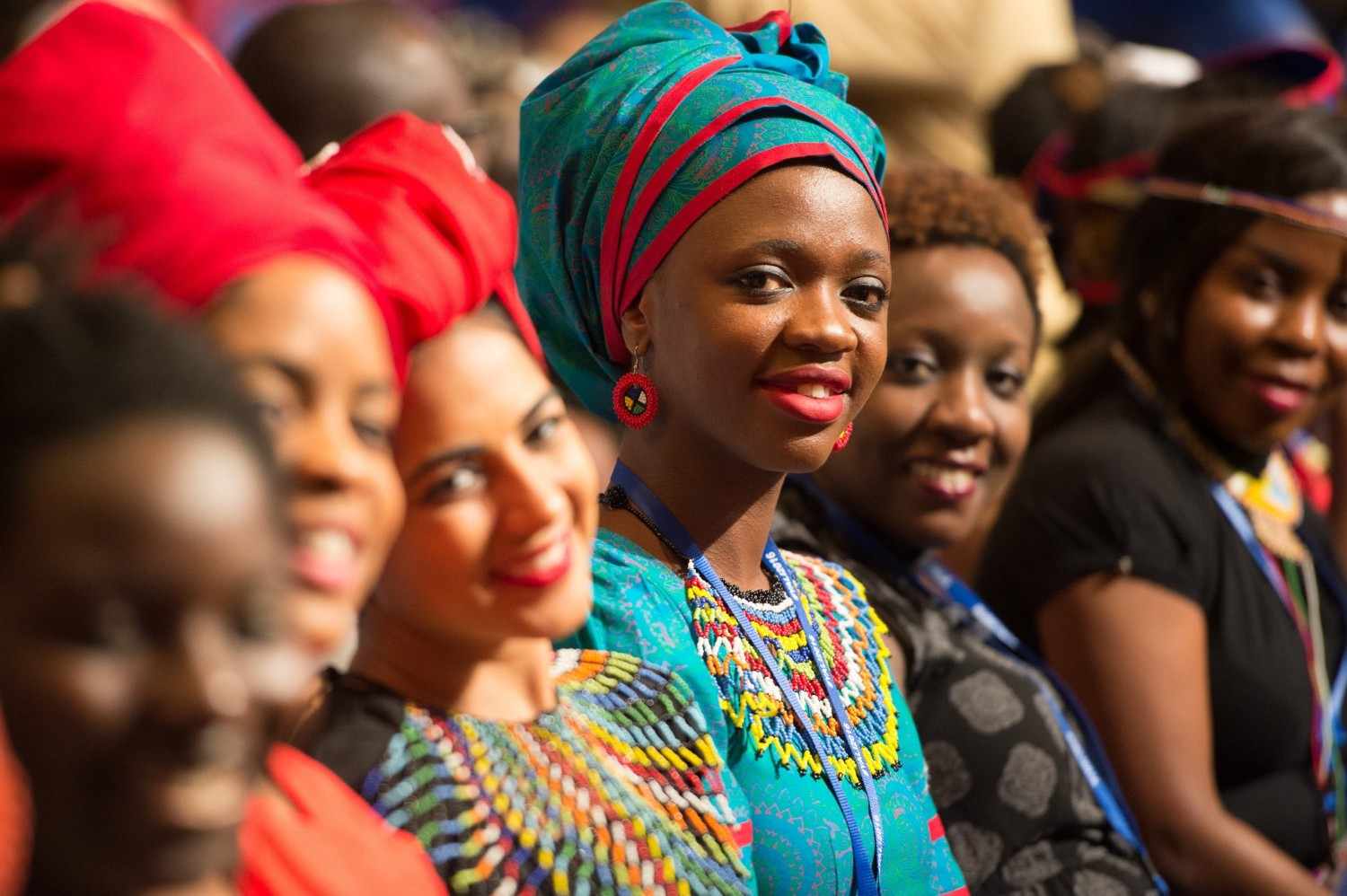
All over French-speaking Africa, women lead environmental initiatives that change the lives of their communities. And yet, they remain largely invisible.
This invisibility is not neutral: it tells a story about French-speaking Africa, a story about its women, a single story. As the Nigerian novelist Chimamanda Ngozi Adichie pointed out in her now famous talk, “The Danger of a Single Story”, reducing a people to one repeated narrative ends up trapping them in it; it is by recognising that there is never a single story about a place or a people that we do them justice.
This is precisely what Terra Mucho seeks to do: make visible the women working for the environment in French-speaking Africa, their initiatives, their contributions and their impact.
Invisibility has a cost on several levels:
A direct cost
We do not fund what we do not see, we do not reach opportunities we do not know about, we do not invite someone we do not see. Solid initiatives with real results stay under-resourced, not for lack of value, but for lack of having been seen and recognised by the people who matter, at the right time.
A human cost
Civil society actors, and women in particular, wear themselves out doing work that no one seems to notice, without recognition and with limited access to opportunities. Many of these women move forward alone, reinventing solutions already proven elsewhere because they do not know they exist, without learning from one another and without a shared strategy.
A cost for the next generation
When the women acting today stay invisible, future generations grow up with no role models to look to, with no concrete proof that this path is open to them too. The invisibility of today’s changemakers prepares the absence of tomorrow’s women.
You can’t be what you can’t see
Younger generations, who inherit the climate crisis and the loss of biodiversity, need role models to believe that they too can act. That is precisely what this Terra Mucho call for nominations, through the JIFA distinction, makes possible every year: giving a voice and a face to these many initiatives serving our planet and our shared humanity.
Who can nominate?
Are you a civil society actor, an international NGO or a foundation working for the environment? You are invited to nominate one or more women matching the profile described above - drawing on what you know of their engagement and of the impact of their initiatives.
- Civil society actors
- International NGOs
- Foundations
By nominating these women, you give them the opportunity to gain:
- Recognition by their peers, actors of civil society.
- Access to exclusive support from Terra Mucho, including support that gives greater visibility to their work and their impact.
- The growth of their network.
- The strengthening of their influence and their leadership.
Criteria
Who can be nominated?
We are looking for 8 African women working for the environment in the Congo Basin and in French-speaking Africa. They must meet the following criteria:
Environmental engagement
Through her initiative, she contributes significantly to at least one of the 5 priority environmental themes below.
Leadership
She shows determination and passion for the environmental cause, and demonstrates leadership, an entrepreneurial spirit and a clear vision of her action.
Scope of power within the organisation or initiative
She is at the origin of the initiative and/or holds an active, clearly identifiable strategic role, and has the power to steer the strategic choices of the organisation or initiative.
Willingness to broaden the reach of her work
She is determined to make her work known beyond her usual circle, to share her leadership journey, to learn from other women leaders and to support them in turn. This criterion matters particularly to Terra Mucho: beyond one-off recognition, laureates gain lasting access to opportunities, support and a network - provided they genuinely intend to seize it and to let others benefit from it.
Fluency in French
She is able to express her journey, her work and her impact in French, both written and spoken, with ease.
The 5 priority themes
- 1
Sustainable forest management and protection
Reforestation and forest restoration, agroforestry, community forest management, sustainable forestry.
- 2
Biodiversity protection
Conservation of animal and plant species, protection of marine ecosystems, mangroves, etc.
- 3
Climate change mitigation and adaptation
Renewable energy, low-carbon solutions, community climate adaptation, climate-smart agriculture, forest carbon finance.
- 4
Environmental justice
Fight against land grabbing, defence of community rights against extractive industries, advocacy for sustainable and inclusive environmental policies, legal support for affected communities.
- 5
Fight against environmental crime
Fight against poaching, trafficking of protected species, illegal logging and mining, and illegal waste trafficking; and for the enforcement of environmental laws.
Four steps
Selection process
1
Nomination
Published on 31 July 2026
The call for nominations is published and shared within our close network and on social media. We rely largely on our trusted network - funders, partners, members of the Mosaïque Mwasi collective, initiated and coordinated by Terra Mucho - to identify the women doing remarkable work. Nominating is done through a short form: we have done our best to make sure it takes you no more than 30 minutes to complete.
2
Application
September 2026
Nominated women deemed eligible are invited to complete their application before 30 September 2026, providing further information about their initiative and expressing their interest in this nomination - through a form and a motivation video. This step takes about 60 minutes.
3
Review of applications
October - November 2026
Our team reviews each application to assess its fit with the spirit of the distinction. Once the selection is confirmed, we contact each of the women who generously took the time to complete her application. Candidates are then invited to provide further material (photos, videos) for publication, and to meet a member of the team.
4
Celebration of the laureates
December 2026
The 8 laureates are announced to the general public, to everyone who took part in the nominations and to partners. They are invited to the Mosaïque Mwasi end-of-year celebration, to be celebrated and to meet other women leaders, including past JIFA laureates.
The distinction
What the laureates gain
Being recognised through this call is not an end in itself; it is a major opportunity leading to long-term support.
Podcast
A voice on the Terra Mucho podcast
Available from 2027
Each laureate is invited onto the Terra Mucho podcast, the French-language podcast that amplifies the voices of African women working for the environment - a chance to share her journey, her work and her vision with a much wider and more diverse audience.
Training
The “Storytelling for changemakers” training
Available from 2027
An intensive 6-month training combining online modules, individual coaching, group sessions and a public event.
- Gain clarity on the purpose of their project, the unique value of their approach and their concrete contribution to the environment.
- Strengthen their ability to communicate their vision with conviction and impact.
- Learn to structure clear, impactful messages.
- Grow their confidence in addressing varied audiences.
Collective
Access to the Mosaïque Mwasi collective
Available from 2027
Laureates who wish to may join the Mosaïque Mwasi collective from 2027, a space for learning and mutual support made up of around thirty women working across French-speaking Africa.
The following year (2028), they will be able to access member-only opportunities, notably to strengthen their leadership and broaden the reach of their work:
Well-being track
An intensive one-year track including a 5-day immersive retreat, peer exchange and mutual-support sessions, and individual coaching to strengthen their resilience and well-being.
Mentoring track
Mentoring and peer learning, to deepen their practice.
Visibility track
Support to help them document their impact and produce a range of communication materials (brochures, video reports, photos, website, etc.).
Bridge track
Terra Mucho actively monitors available opportunities (prizes, media, calls for funding, etc.) and connects each member with those that best match her profile, as well as with partners looking to collaborate with women-led initiatives.
Since 2024
Our JIFA laureates
Our laureates are African women leading initiatives with strong local impact for the environment. Every year we identify and celebrate the women who are moving the lines on environmental issues, whatever their approaches, their strategies and the ground on which they act.
2025
8 laureates
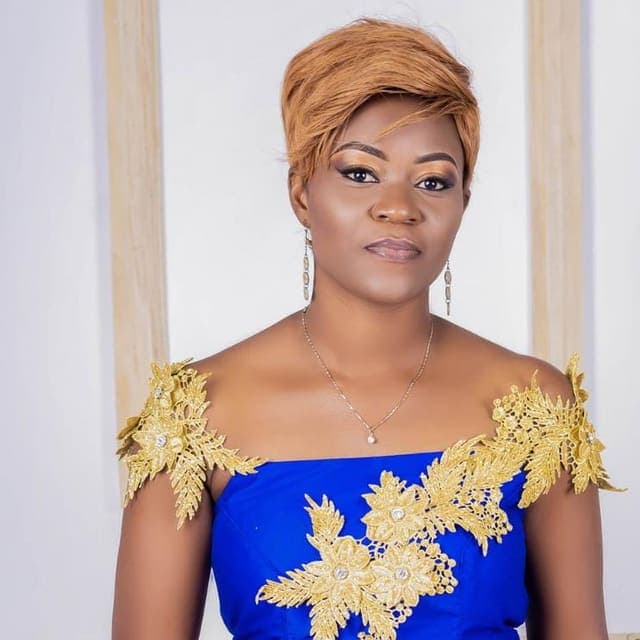
Paulette Achadé
Benin
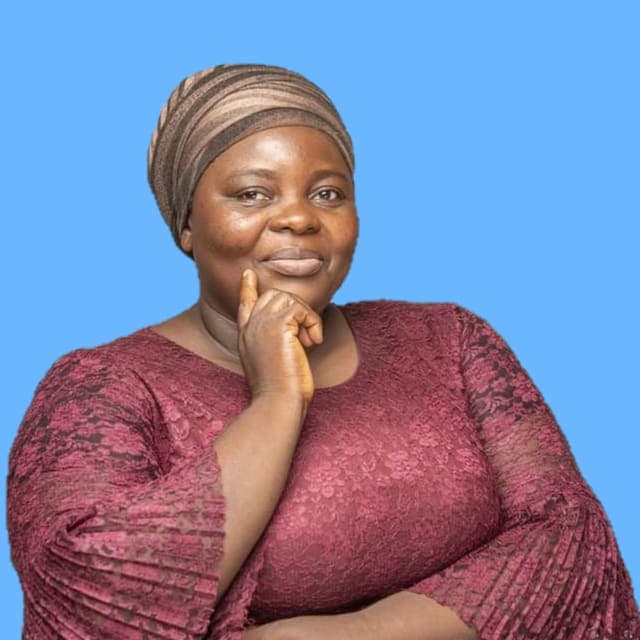
Néné Mainzana Mapoko
DRC
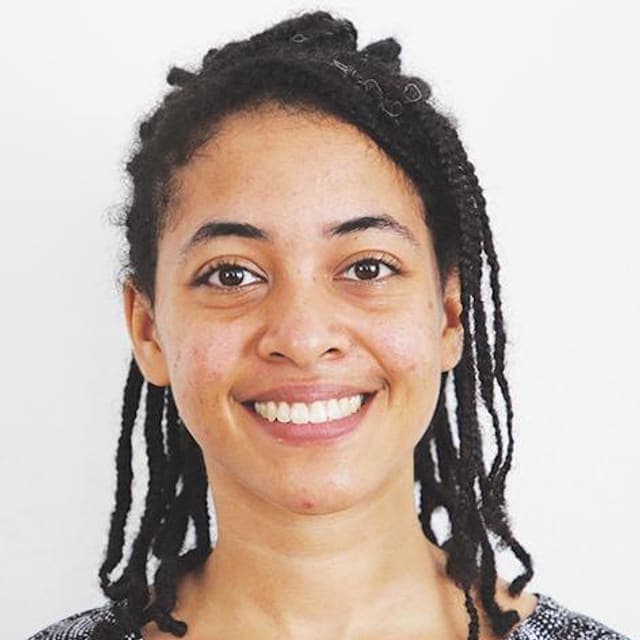
Diorne Zausa
Côte d’Ivoire
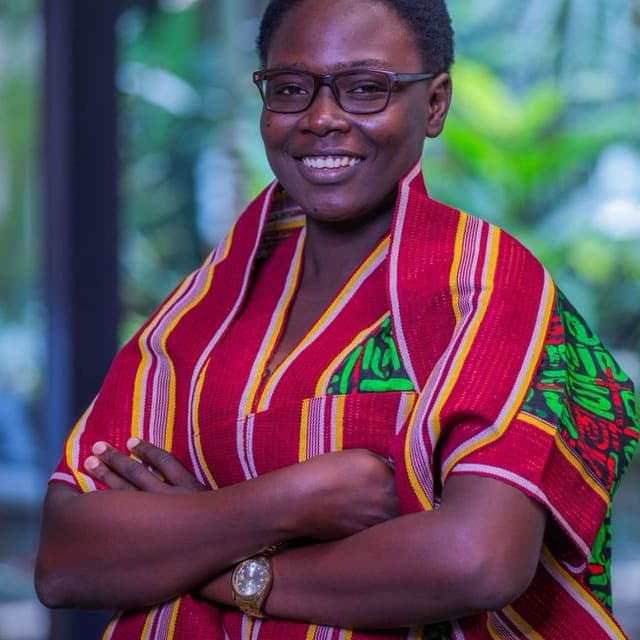
Liliane Wissenwa
Chad
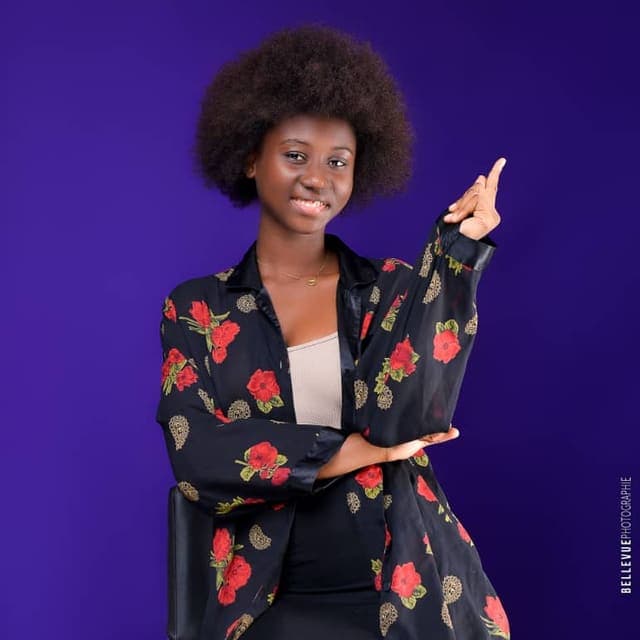
Aminata Malicka Kabore
Burkina Faso
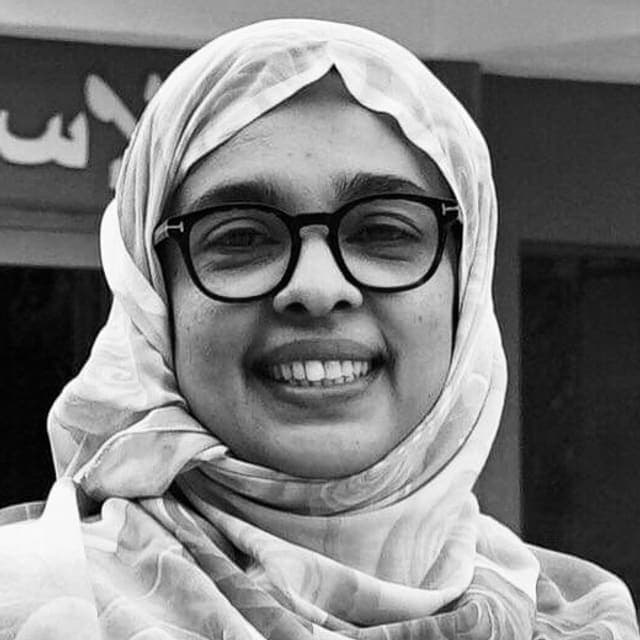
Maïmouna Saleck
Mauritania
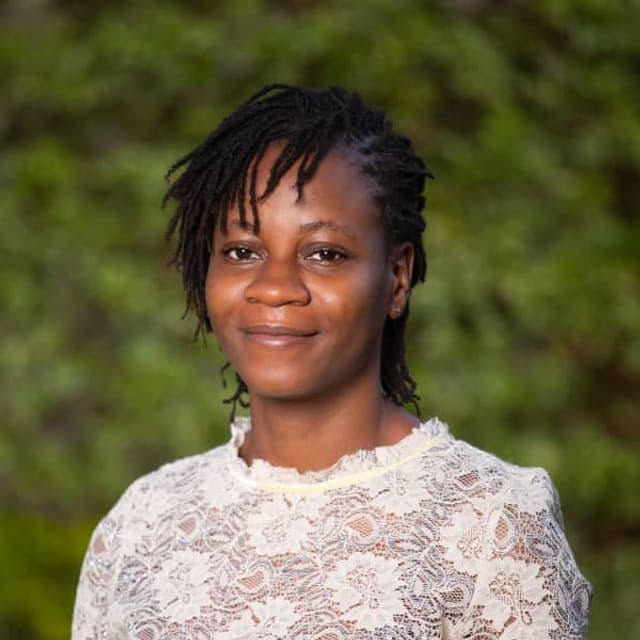
Grâce Sandrine Zancran
Benin
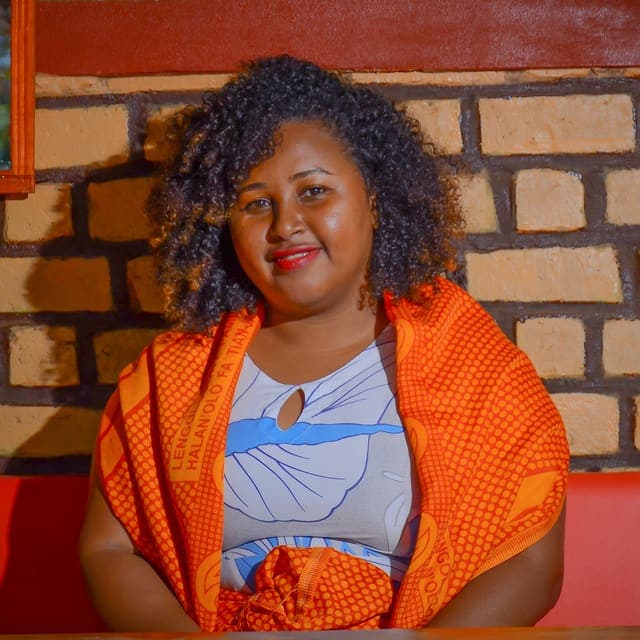
Razafiarisoa Marie Nathassa
Madagascar
2024
5 laureates

Adoukè Nadège Agbodjato
Benin
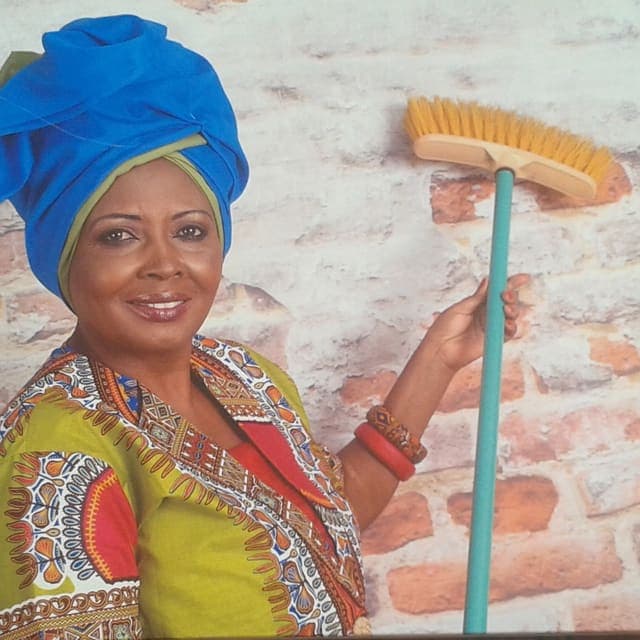
Bosingizi Sulia Jeannette
DRC
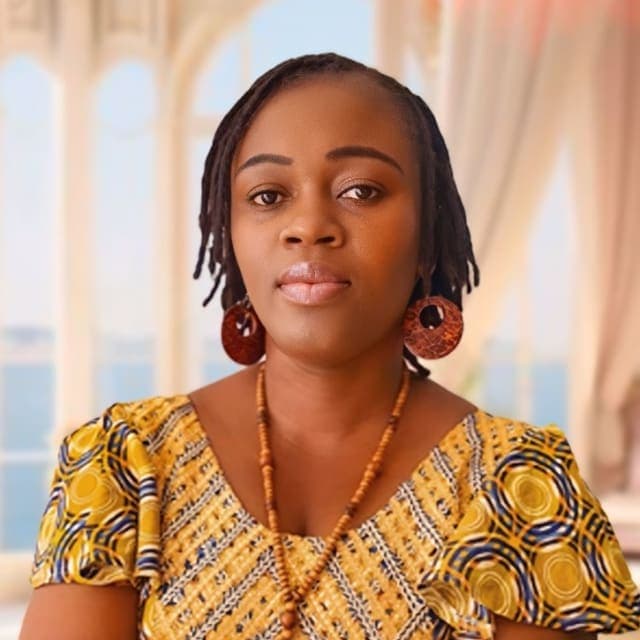
Geneviève Ndjiki Wéladji
Cameroon

Gratias Kibanja Lukoo
DRC
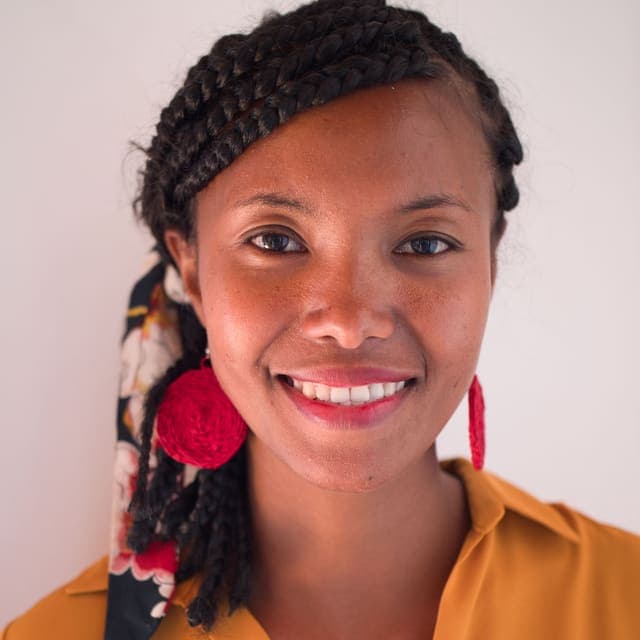
Vatosoa Rakotondrazafy
Madagascar
Benin, Burkina Faso, Cameroon, Côte d’Ivoire, Chad, DRC, Madagascar, Mauritania.
- laureates
- 13
- countries
- 8
- cohorts
- 2
- themes
- 5
Since 1962
The JIFA, a legacy
The International Day of the African Woman (JIFA), celebrated every 31 July, pays tribute to African women and to their fight for the emancipation and independence of the continent. It is a day of reflection and action, so that the voices of African women count in the spaces where the fate of the continent and of the world is decided.
It is in this legacy that the JIFA distinction takes root, a double celebration: paying tribute to the pioneers who, long before us, took their place in the great moments of the continent’s history - the struggles for independence and emancipation; and celebrating the women who, today, act to keep our planet livable and to advance environmental justice.
Frequently asked questions
What to know before nominating
- How does the nomination process work?
The process takes place entirely online and has two steps.
Step 1 - You nominate a woman
Click “Nominate a woman” and fill in a first form with the essential information about the woman you wish to recommend and about her initiative.
Step 2 - The nominated woman confirms her interest
Once your nomination is received, Terra Mucho contacts the nominated woman directly by e-mail. She receives a personal link giving her access to the site, where she confirms her interest and completes her file online, sharing more about her path, her leadership and her initiative.
- Why does the process have two steps?
The first step lets anyone recommend a woman whose commitment deserves wider recognition. The second lets the nominated woman confirm that she wishes to take part, and present her path, her initiative and her impact in her own words.
- Can I nominate several women?
Yes. You can nominate as many women as you wish. Simply submit a separate nomination form for each of them.
- Do I have to tell her before nominating her?
No, it is not required. Terra Mucho will contact her directly to invite her to confirm her interest and complete her file.
Another question?
If you cannot find the answer to your question, or if you run into a difficulty while nominating, do get in touch. We will be glad to help.
Do you know a woman who is moving the lines?
Nominations closed on 31 August 2026. Nominated women deemed eligible will be invited to complete their application in September 2026.
Nominations closed since 31 August 2026